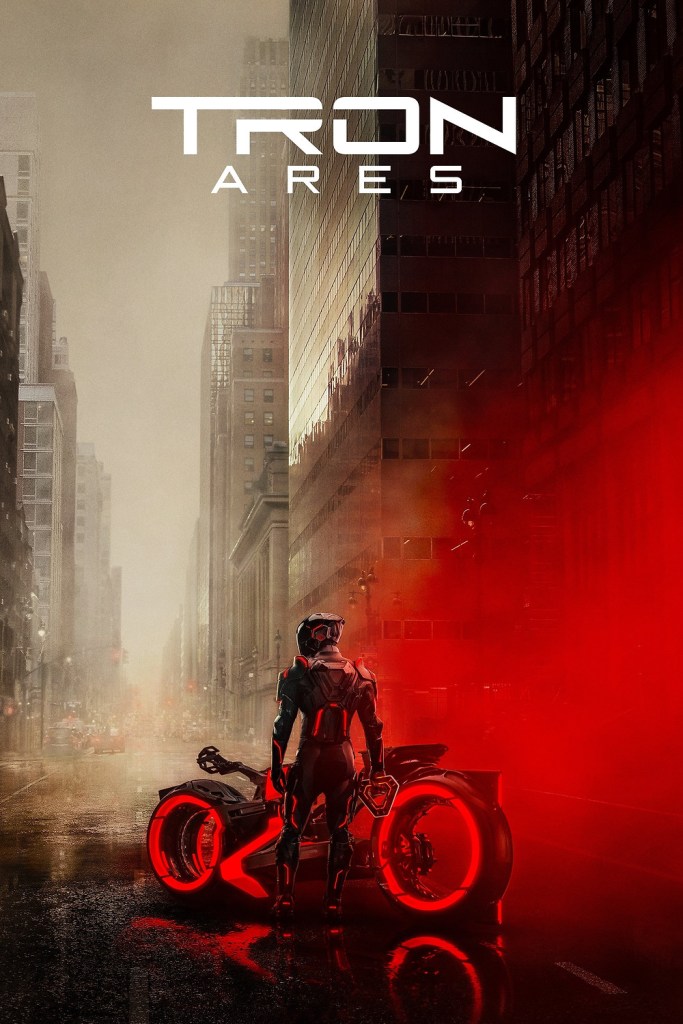

I recently revisited all three TRON films back-to-back, and I’m still baffled by how criminally underrated this franchise remains. Its influence on science fiction, digital culture, and our collective imagination of the future deserves far more recognition than it gets.
Back in 1982, TRON was nothing short of revolutionary. It arrived at a time when arcade games were becoming a massive part of popular culture, computers were still mysterious machines, and concepts like virtual reality, cyberspace, and the internet hadn’t yet entered our everyday vocabulary. The idea of a human being transported inside a computer was genuinely groundbreaking. Tron, alongside the OG characters like Kevin Flynn (Jeff Bridges), Alan Bradley (Bruce Boxleitner), and Ed Dillinger (David Warner) brought all those concepts into the mainstream.
Nearly three decades later, deep into the internet age, TRON: Legacy (2010) took that same 1980s visual language and dragged it into the modern age. The world inside the Grid became sleeker, darker, and infinitely more sophisticated. Plus, that incredible Daft Punk soundtrack? Still one of the greatest marriages of electronic music and science fiction cinema.
Fifteen years later, we have TRON: Ares (2025). And this time, the concept has been reversed. Instead of humans entering the digital world, the digital world is entering ours. Programs and digital creations can now be materialized into physical reality — essentially 3D-printing the impossible into existence. There’s just one problem. These creations can only survive in our world for 29 minutes before disintegrating…….Unless someone finds the Permanence Code.
The Permanence Code is a mysterious piece of programming created by Kevin Flynn that would allow digital beings to exist indefinitely in the real world. Naturally, everyone wants it, and much of the film becomes a race to find this technological Holy Grail.
At the center of the story is Ares (Jared Leto), a highly advanced artificial intelligence program who gradually begins questioning the very nature of his programming. As he develops something resembling human consciousness, his fascination with humanity and the physical world becomes one of the film’s more interesting ideas. There is even a funny scene where Ares expresses appreciation for the music of Depeche Mode.
The main villain is Julian Dillinger (Evan Peters), the grandson of Tron’s original villain Ed Dillinger. Also, Gillian Anderson plays Elizabeth Dillinger, Ed Dillinger’s daughter. The connection of this new characters to the legacy villain was a solid addition. However, this Elizabeth Dillinger character was a bit underutilized. An actress of Gillian Anderson’s caliber deserved a lot more to do.
Another new addition is Greta Lee (Eve Kim), a character positioned to be the lead character, and emotional anchor. But her character never really develops into the protagonist the filmmakers intended her to become. This character felt like a vehicle to force the plot forward, and I never felt invested in her.
Visually, however, TRON: Ares is spectacular. The familiar neon landscapes, and geometric architecture remain as striking as ever. Watching digital creations materialize in our physical world offers some genuinely impressive imagery. A remarkable achievement by director Joachim Ronning.
For a brief moment, the film reconnects with the mythology that made the original so fascinating. The decision to revisit the original Grid was fan service as its best — Seeing that familiar digital landscape again, along with the ghostly presence of Kevin Flynn, was easily one of my favorite moments. Having said that, this should have been a direct sequel to TRON: Legacy. There was already an interesting story waiting to be told — Sam Flynn, Quorra, and the legacy of Kevin Flynn, against the Dillinger family. Decades of corporate rivalry, technological ambition, and unfinished business. Now that is the story I wanted to see.
Instead, the film largely moves away from those characters, introducing a new conflict that occasionally feels disconnected from everything that came before it. Imagine a story built around Sam Flynn confronting the next generation of the Dillinger dynasty. Two families whose histories have been intertwined since the original film, once again fighting over control of the digital frontier.
There’s something wonderfully nostalgic about watching a Dillinger enter the Grid, especially with the visual callbacks to Sark, the menacing program created by the original Ed Dillinger. That kind of continuity matters. And where the hell is Alan Bradley? Bruce Boxleitner’s character was instrumental to the original mythology. The film offers passing references to Sam and Quorra, but Alan’s absence feels particularly strange considering his importance to the franchise.
These aren’t simply characters from older movies. They’re the foundation of this universe.
And while I appreciate the attempt to introduce new ideas and move the franchise forward, abandoning so much established mythology feels like a missed opportunity. Thankfully, the soundtrack absolutely kicked ass. Nine Inch Nails deliver a thunderous, industrial electronic score that gives the film a darker, more aggressive personality. The music is relentless, atmospheric, and perfectly suited to a story about artificial intelligence invading the physical world.
Ultimately, TRON: Ares is another visually stunning achievement in a franchise that has always been ahead of its time aesthetically. But there’s something missing. The original TRON dared to imagine a future nobody understood. Legacy expanded that mythology while exploring the relationship between fathers, sons, and the worlds we create. Ares introduces fascinating questions about artificial intelligence, consciousness, and the increasingly fragile boundary between digital existence and human reality.
Unfortunately, this third movie seems more interested in showing us what technology can do than exploring what any of it actually means. It’s entertaining. The visuals are extraordinary. The soundtrack is phenomenal. But beneath all those beautiful neon lights, there’s a frustratingly underdeveloped story. Forty-three years after the original, TRON still knows how to show us the future. I just wish it had a little more to say about it. I feel there is untapped potential to continue to expand this universe, particularly on a TV series.
TRON ARES. (2025). THREE OUT OF FIVE POPCORN BAGS🍿🍿🍿