
The late ’80s and much of the ’90s marked a dark era for hardcore Star Wars fans like myself. And with no new films or projects on the horizon, we were told to abandon hope for more Star Wars content, George Lucas kept insisting that there was no plans for more Star Wars films, leaving us to find solace in books and comics. However, eight years after the release of Return of the Jedi, Timothy Zahn’s Thrawn Trilogy finally delivered the Star Wars fix we had been waiting for, beginning with Heir to the Empire (1991). So for over two decades, Zahn’s trilogy was considered the definitive sequel to the original saga, introducing Grand Admiral Thrawn as the primary antagonist in the post-Empire era.
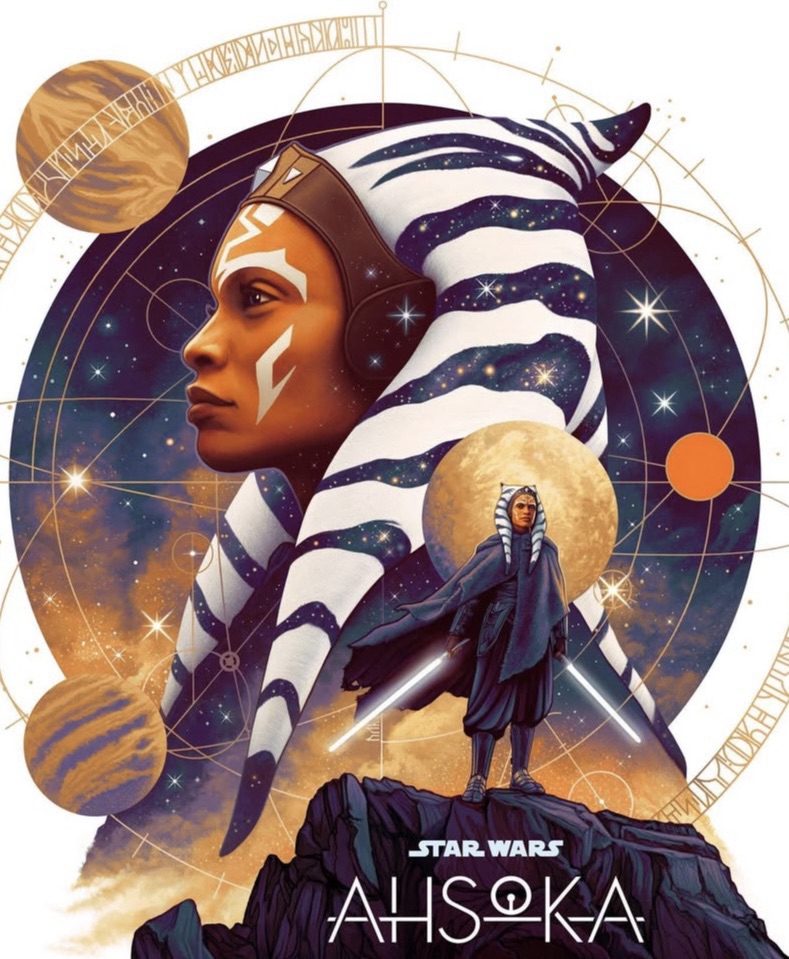
To fully appreciate Thrawn’s role and the premise of Ahsoka, it helps to have watched Rebels and The Clone Wars animated series. Ahsoka Tano made her debut in the 2008 Clone Wars animated movie, where she was assigned to Anakin Skywalker as his Padawan. Over the course of The Clone Wars, she embarked on numerous adventures, faced betrayal, and was wrongfully accused of murder. Though later exonerated, she chose to leave the Jedi Order, setting her on a different path.
Ahsoka resurfaced in Rebels, set 14 years after Revenge of the Sith, leading up to the events of Andor, Rogue One, and A New Hope. In Rebels, Bail Organa enlists Ahsoka to aid the growing Rebellion, which is where we also meet Ezra Bridger. At the end of Rebels, Ezra sacrifices himself by disappearing into another galaxy, taking Thrawn and his fleet with him—leaving their fates uncertain. Following these events, Ahsoka’s whereabouts during the original trilogy remain unknown, though it’s clear she was still active.
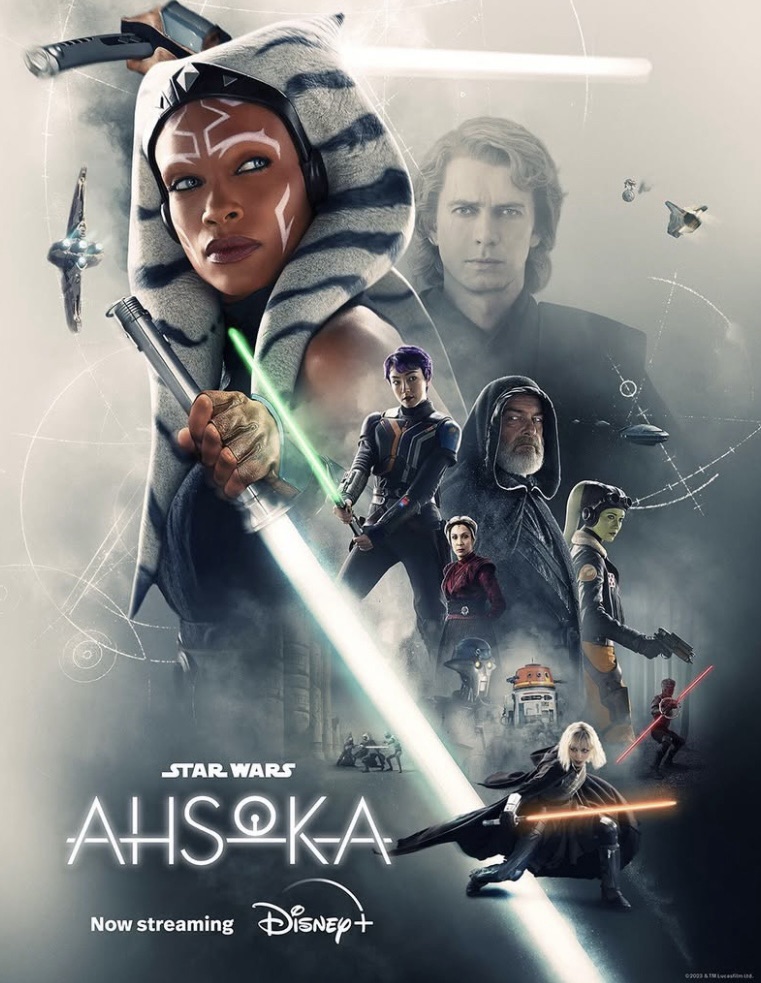
Ahsoka Season 1 is set after Return of the Jedi, in the aftermath of the Empire’s fall, within the same timeline as The Mandalorian. We first saw Ahsoka in live action in The Mandalorian Season 2, played by Rosario Dawson, who delivers an outstanding performance. With Dave Filoni as the showrunner, Ahsoka season 1 brings back major characters from the animated series while introducing new faces to the Star Wars universe.
My biggest issue with Ahsoka Season 1 is its heavy reliance on the animated series. Most characters already have deep histories together, yet their pasts are barely explained. For newcomers unfamiliar with The Clone Wars or Rebels, this makes it difficult to fully connect with the story. A bit more exposition would have helped bridge that gap.
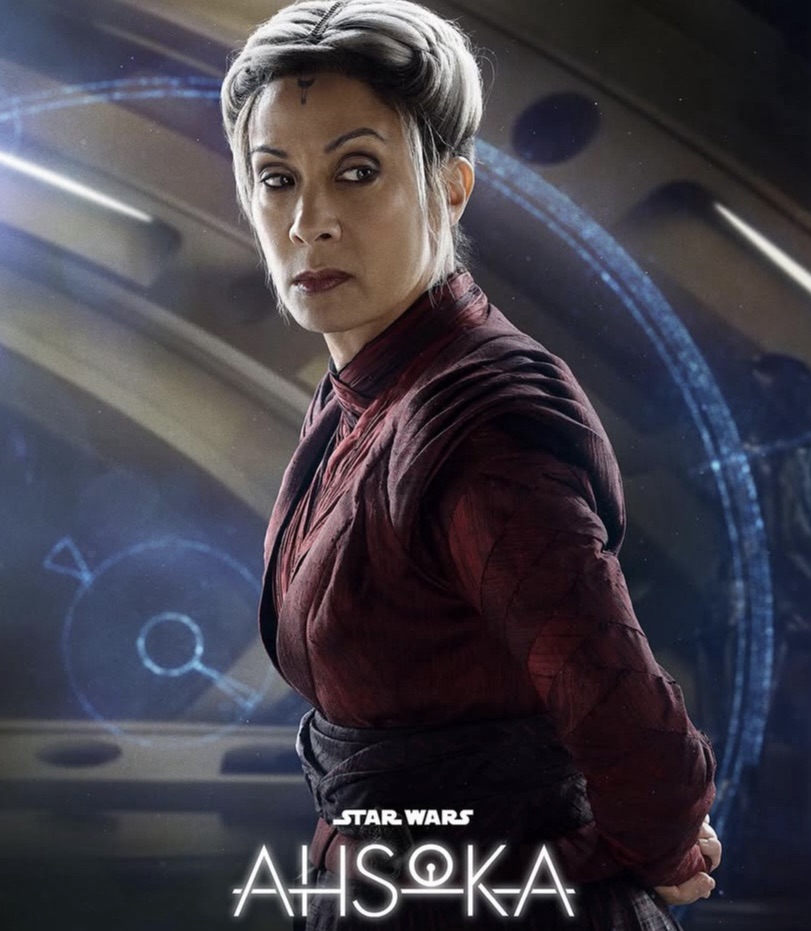
That said, the most exciting aspect of the season is the return of Hayden Christensen as Anakin. His duel with Ahsoka in The World Between Worlds was visually stunning. I’m all in on anything involving Anakin Skywalker or Darth Vader, and we absolutely need more of Hayden in future Star Wars projects. Also, having Genevieve O’Reilly return as Mon Mothma was another outstanding addition.
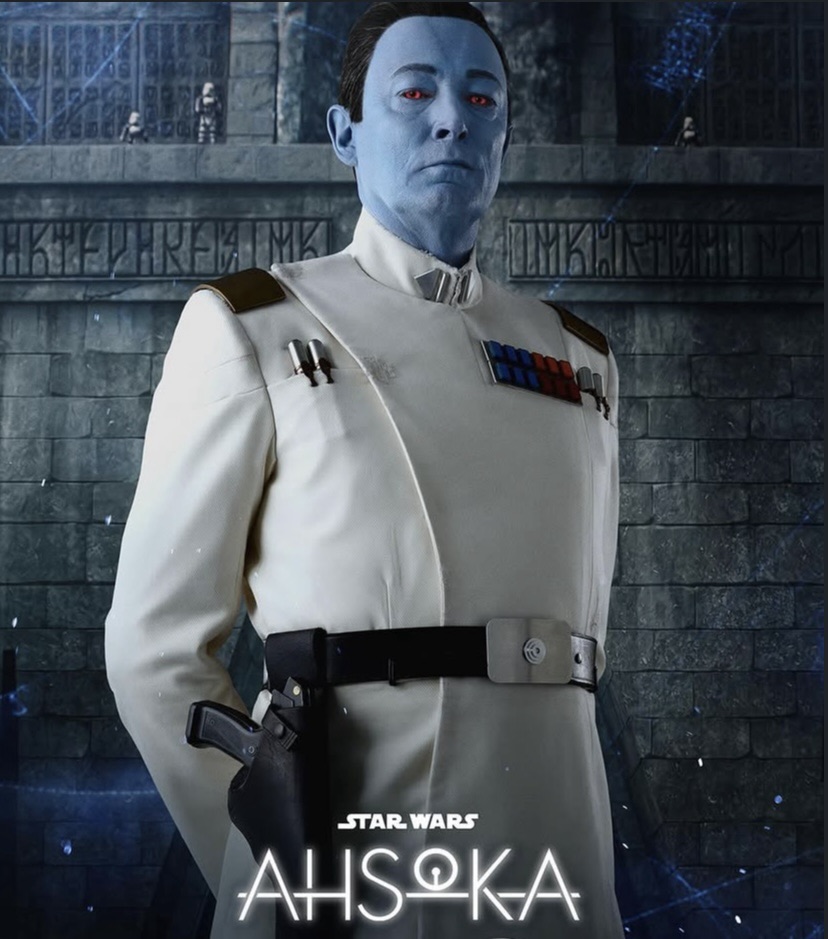
Lars Mikkelsen’s portrayal of Thrawn was fantastic. In Timothy Zahn’s books, Grand Admiral Thrawn is a master strategist—not a Sith or Force user, but an intellectual powerhouse who can outthink his enemies. Mikkelsen nailed this calculating and menacing presence, bringing Thrawn to life in a way that lived up to expectations. However, I wasn’t as impressed with Ezra Bridger’s portrayal — Eman Esfandi’s performance felt flat, with little emotional depth, making Ezra seem oddly indifferent to the state of the galaxy.
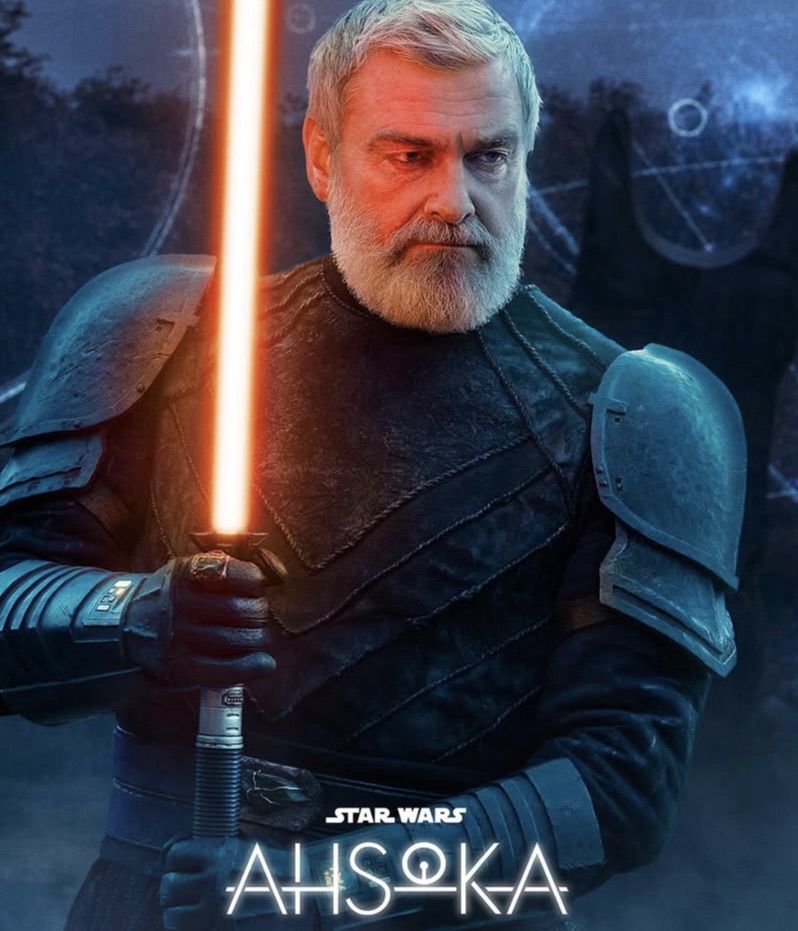
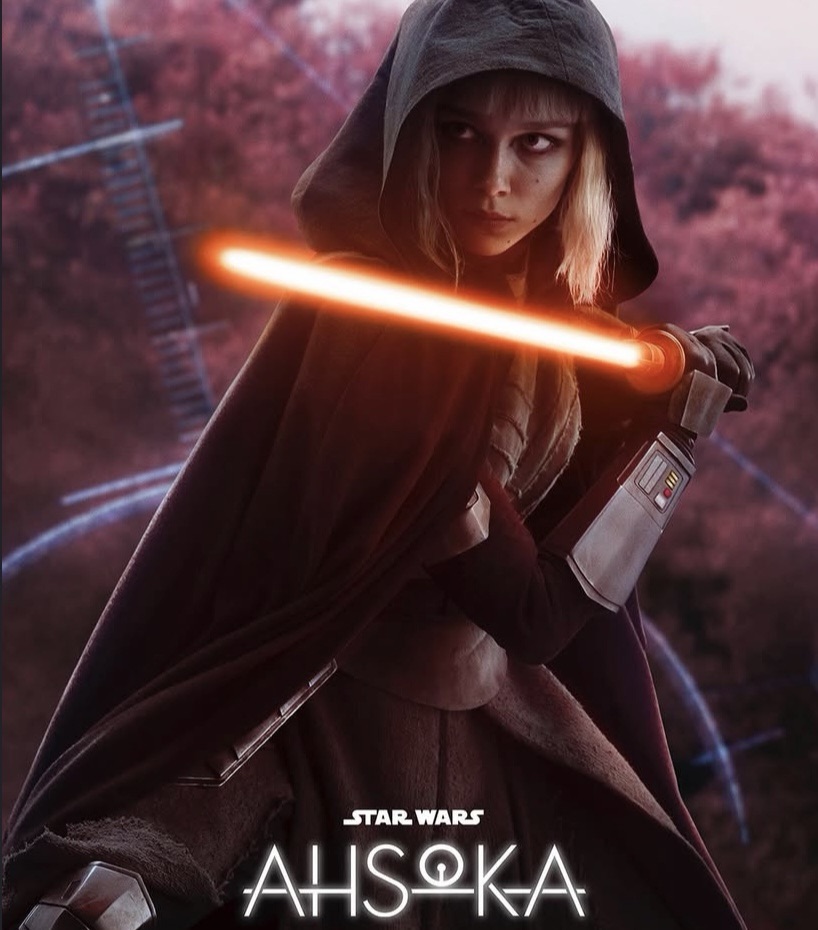
On the other hand, Ahsoka S1 introduced some excellent new characters, particularly Baylan Skoll, played brilliantly by Ray Stevenson. A former Jedi who survived Order 66 by escaping to uncharted regions, Baylan is a compelling and enigmatic figure. Sadly, with Stevenson’s passing, his future in the series is uncertain. It remains to be seen whether Baylan will be recast or written out, especially since his storyline was left unresolved. His apprentice, Shin Hati (Ivanna Sakhno), and Sabine Wren (Natasha Liu Bordizzo) also delivered strong performances, with great on-screen chemistry.
The real scene-stealer, however, was the droid Huyang, voiced by David Tennant. The concept of an ancient droid who has been training Jedi for over a thousand years and forging lightsabers is brilliant, and Tennant brings incredible wit and charm to the role.
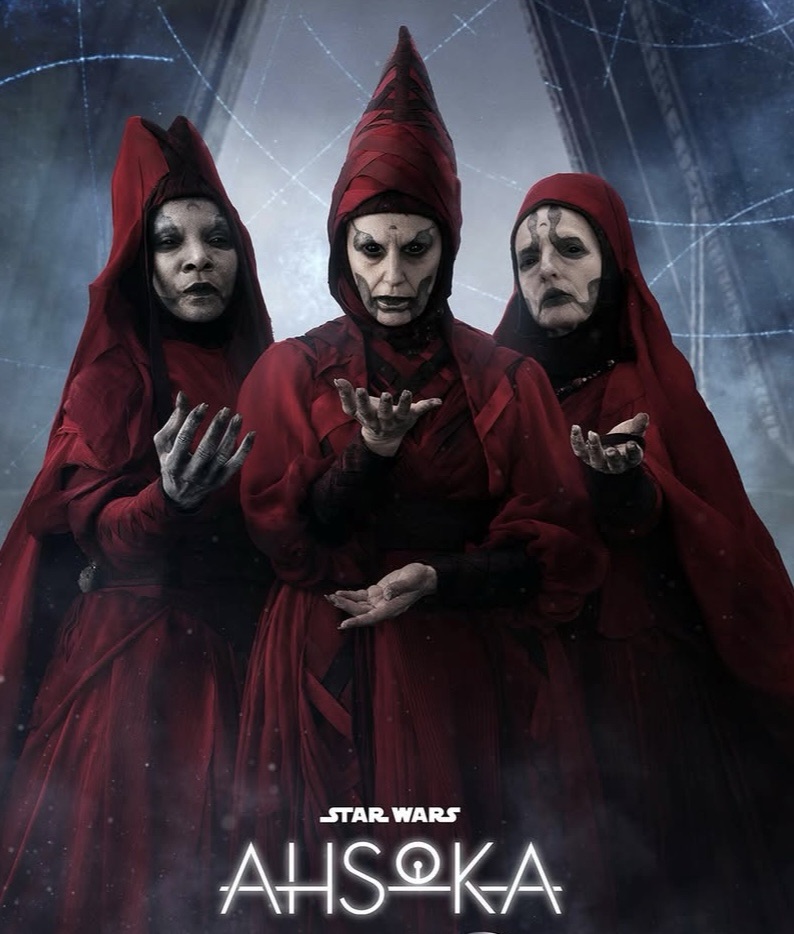
Another exciting addition was Morgan Elsbeth (Diana Lee Inosanto), one of the last Nightsister witches of Dathomir and a close ally of Thrawn. Her ability to wield Force magic to raise a zombie army from fallen Stormtroopers was a refreshing and eerie twist.
The show also introduced some bold new concepts, like the hyperspace ring—a visually impressive and intriguing technology. As for the Purrgil (a.k.a. space whales), my initial reaction was skepticism—Space whales? Really?—but I went along with it, and they turned out to be a cool addition.
Some fans criticized the show’s pacing, particularly in the first few episodes, but I disagree. The pacing was fine, and by Episode 5, the story fully kicked into gear.
Overall, while Ahsoka Season 1 has its flaws—mainly in its assumption that viewers are already familiar with its characters—it still delivers an engaging story with great performances, stunning visuals, and some exciting Star Wars lore. With Season 2 on the horizon, I’m hoping for even more of Anakin, a deeper dive into Thrawn’s strategies, and a resolution to Baylan’s arc.
Ahsoka Season 1 feels like a natural continuation of The Clone Wars, like season 5 of the series. While Ahsoka has its strengths and stands out more than The Acolyte (which I’ll review next), I still rank it below Kenobi, Andor, The Mandalorian, and The Book of Boba Fett. And given that Luke exists in the same timeline, I’d love to see him return in season 2.
AHSOKA Season One. Three out of Five Popcorn Bags 🍿🍿🍿

 Rod Rioja