
We waited 36 years for a sequel to this iconic 1988 film, and I was beyond excited for it. Despite my hectic schedule, I made it a priority to see it in theaters—a rare treat for me, but one I couldn’t pass up. Unfortunately, while I wanted to love this movie, I walked out feeling more confused than satisfied, and disappointed by its overall messiness. Hoping for a different experience, I gave it another shot on TV the other day, but my opinion remained largely the same.
The original Beetlejuice (1988) is a true classic—unique, innovative, and perfectly balanced between creepy moments, legitimate scares, and outrageous humor. In contrast, Beetlejuice Beetlejuice feels scattered, with too many storylines happening simultaneously, none of which really lead anywhere. Hell, I even felt a bit sleepy midway through the movie.
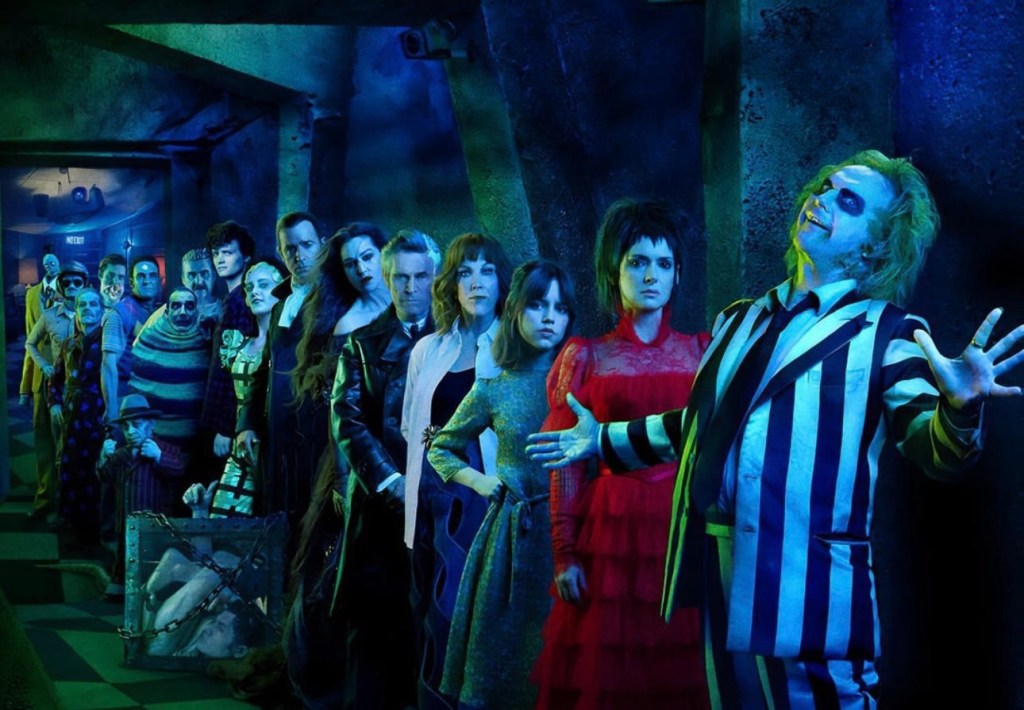
This sequel had all the makings of an epic film. The cast is sensational, but it’s the legacy characters that truly drive the bus. Goth teen Lydia Deetz (Winona Ryder) was the heart and soul of the original, and she remains so here—now at a different stage in her life.
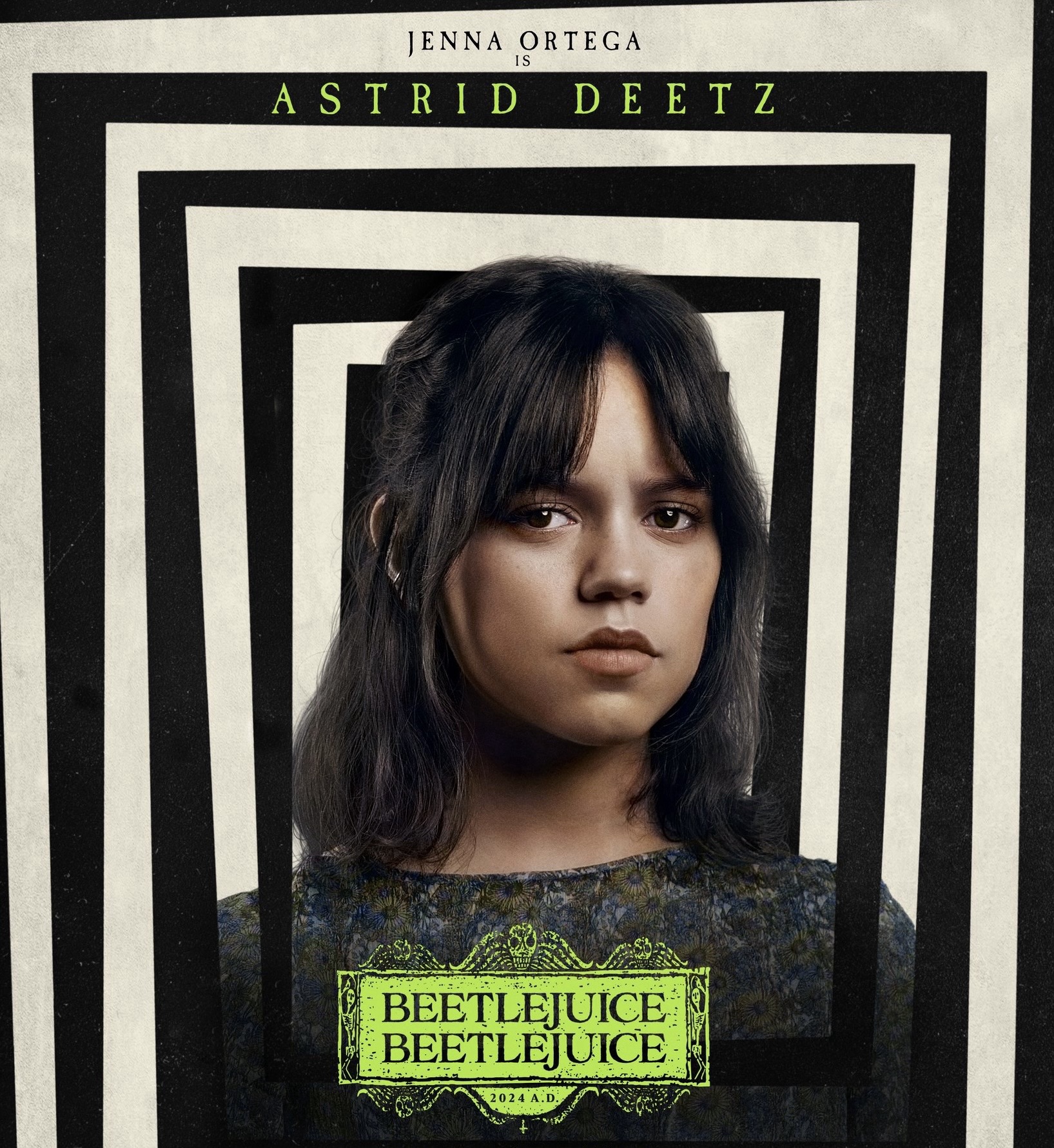
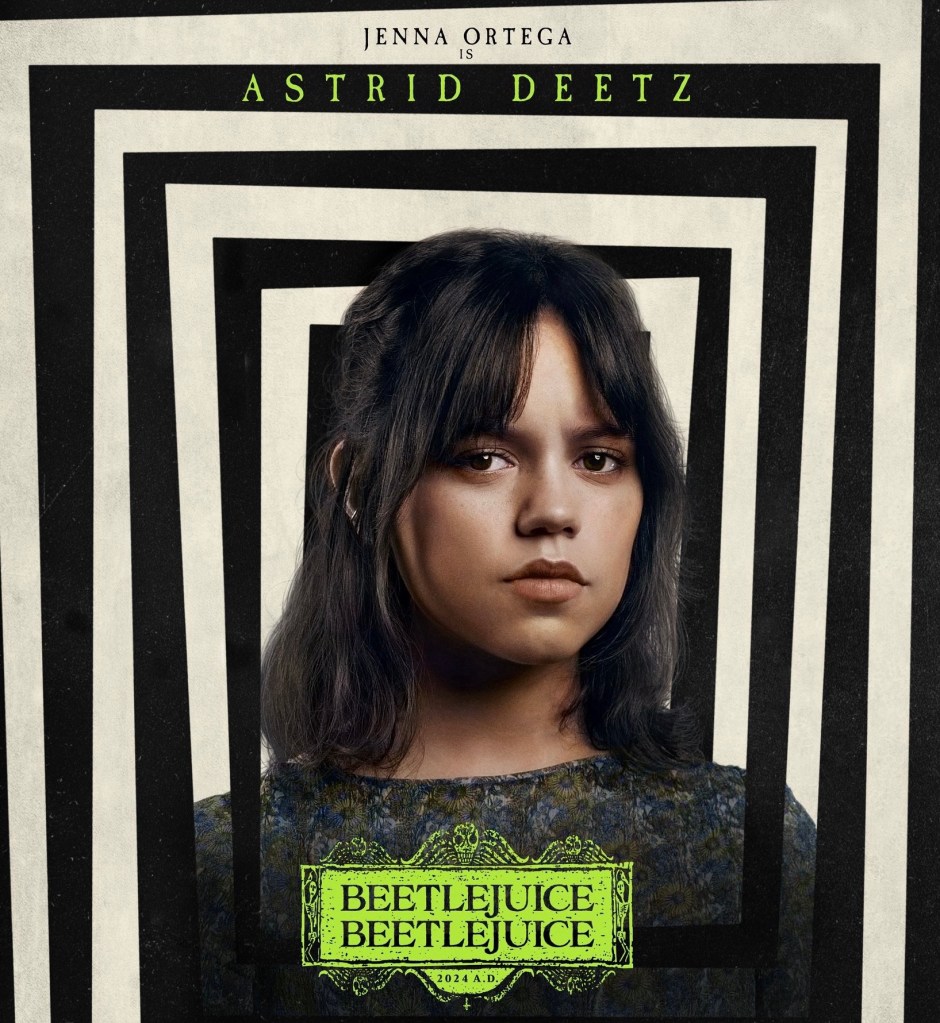
Lydia’s daughter, Astrid (Jenna Ortega), is almost a mirror image of Lydia from the first film, making Ortega a perfect casting choice, especially given her rising stardom after the Wednesday Netflix series. She effortlessly captures the same brooding yet charismatic energy that made Lydia so iconic.

The supporting cast delivers as well. Catherine O’Hara (Delia Deetz) is as hilarious as ever, particularly in scenes where she mourns her recently deceased husband. Given the real-life controversies surrounding Jeffrey Jones, who played Delia’s husband in the original. The decision to kill off his character makes sense as a way to distance the film from him. Willem Dafoe’s character, Wolf Jackson, is a fun addition, though mostly relegated to comic relief—I would have loved to see more of him. Justin Theroux’s slimy character is enjoyable but ultimately forgettable.
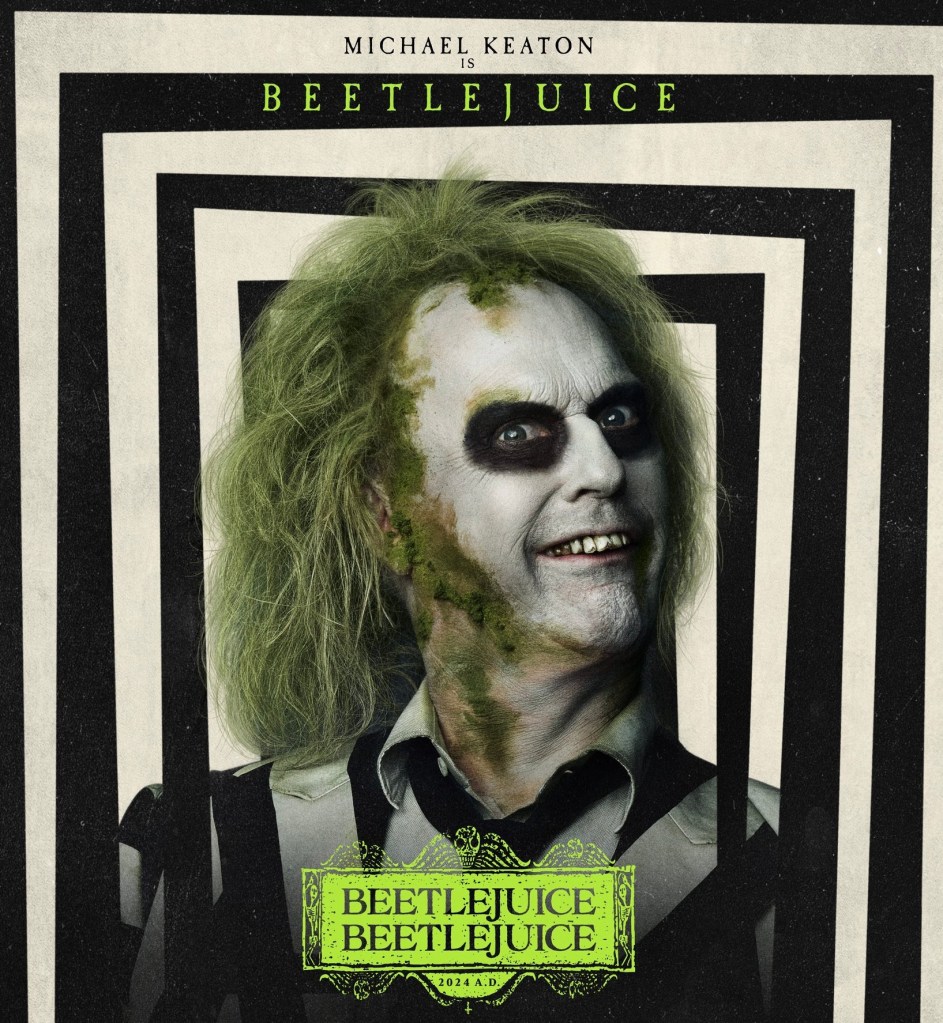
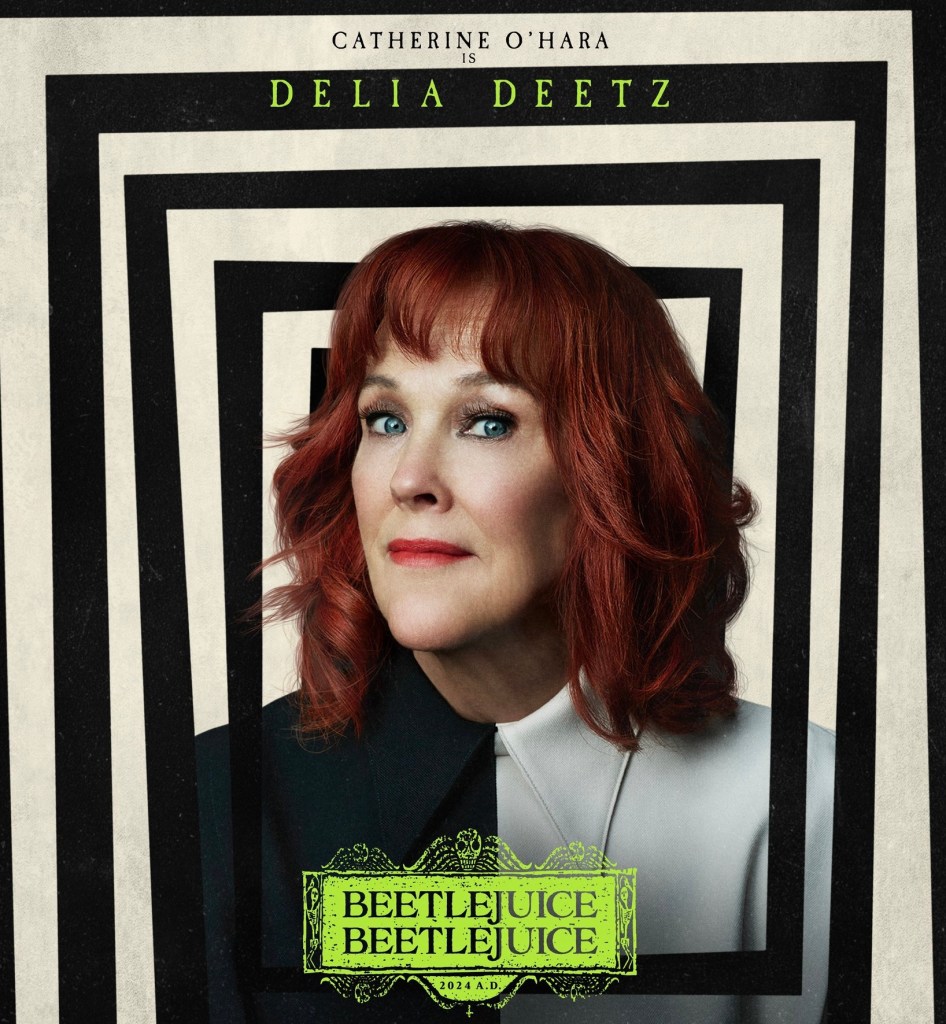
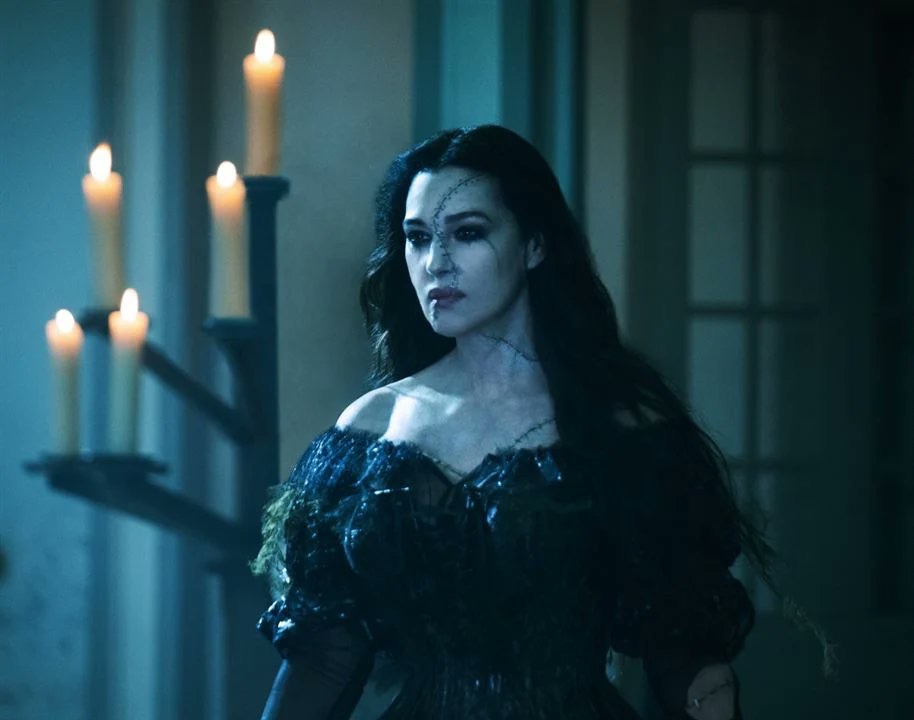
The standout new additions are Jeremy Frazer’s “dead boy,” who becomes Astrid’s ghostly love interest, and the always-mesmerizing Monica Bellucci as Delores LaFerve, a soul-sucking witch and Beetlejuice’s wife. The scenes of Delores reassembling her body parts were fantastic, and her flashback wedding with Beetlejuice was a highlight—but I wanted more of her. By the end, it felt like this intriguing new character was underutilized.
Of course, it was great seeing the always brilliant Michael Keaton as the mischievous Beetlejuice back in action, but he felt noticeably tamer compared to the original. The film missed an opportunity to modernize the humor by satirizing social media culture and influencers, which could have added fresh relevance. The narrative felt weak, with multiple storylines that never fully developed.
Tim Burton’s long-standing issue with diversity remains evident here, and the Soul Train-inspired afterlife transition scene felt forced and, frankly, cringeworthy. The musical ending dragged on too long and lacked impact. Additionally, much of the film’s macabre and supernatural elements felt overly cartoonish—except for the Beetlejuice baby at the end, which was genuinely terrifying.
Alec Baldwin and Geena Davis’s absence was disappointing, though I heard the studio forced Burton to cut around $50 million from the budget, which could explain some of the film’s shortcomings.
Despite its flaws, Beetlejuice Beetlejuice has its moments. It doesn’t come close to the original, but I’ll always support legacy sequels. Hopefully, we’ll get a third movie—or even a TV series—to expand on this world in a more satisfying way.
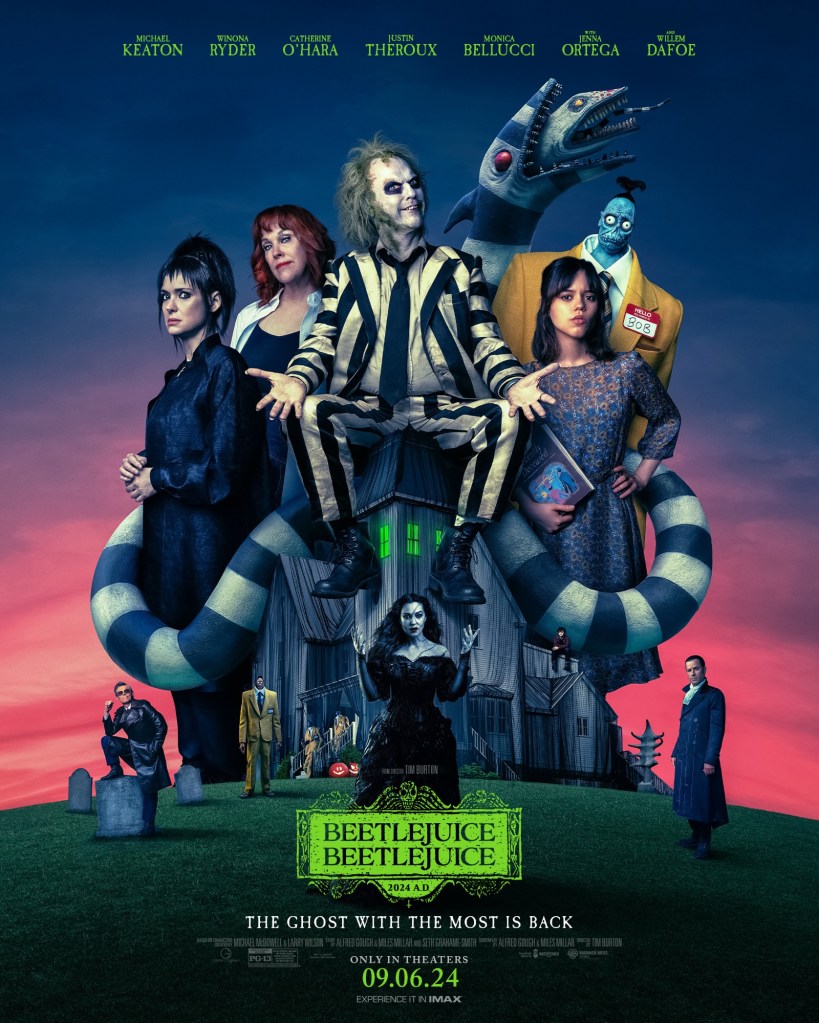
BEETLEJUICE BEETLEJUICE (2024). Three out of Five Popcorn Bags🍿🍿🍿

 Rod Rioja